
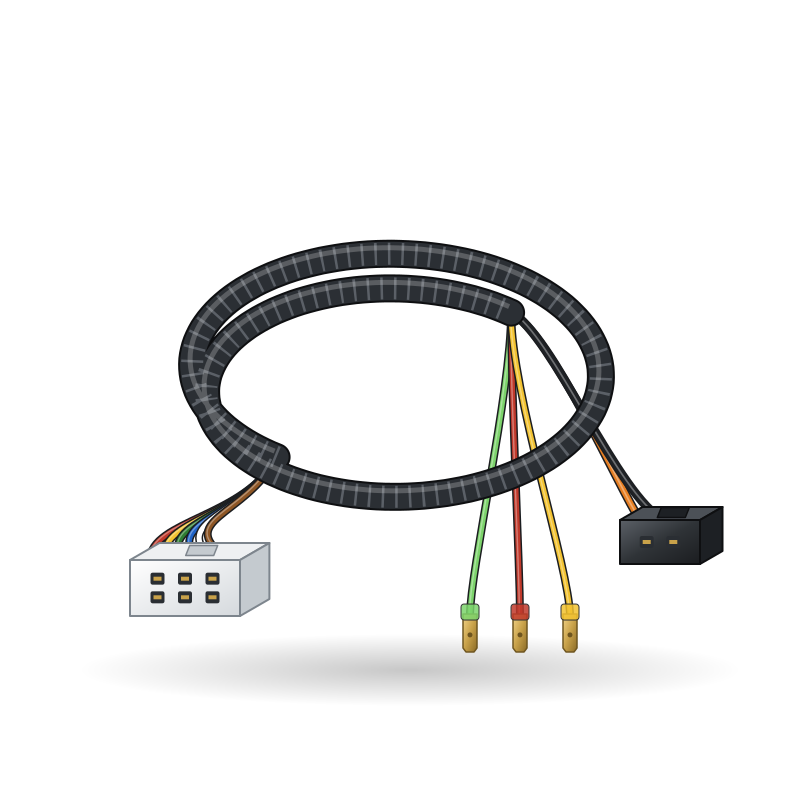
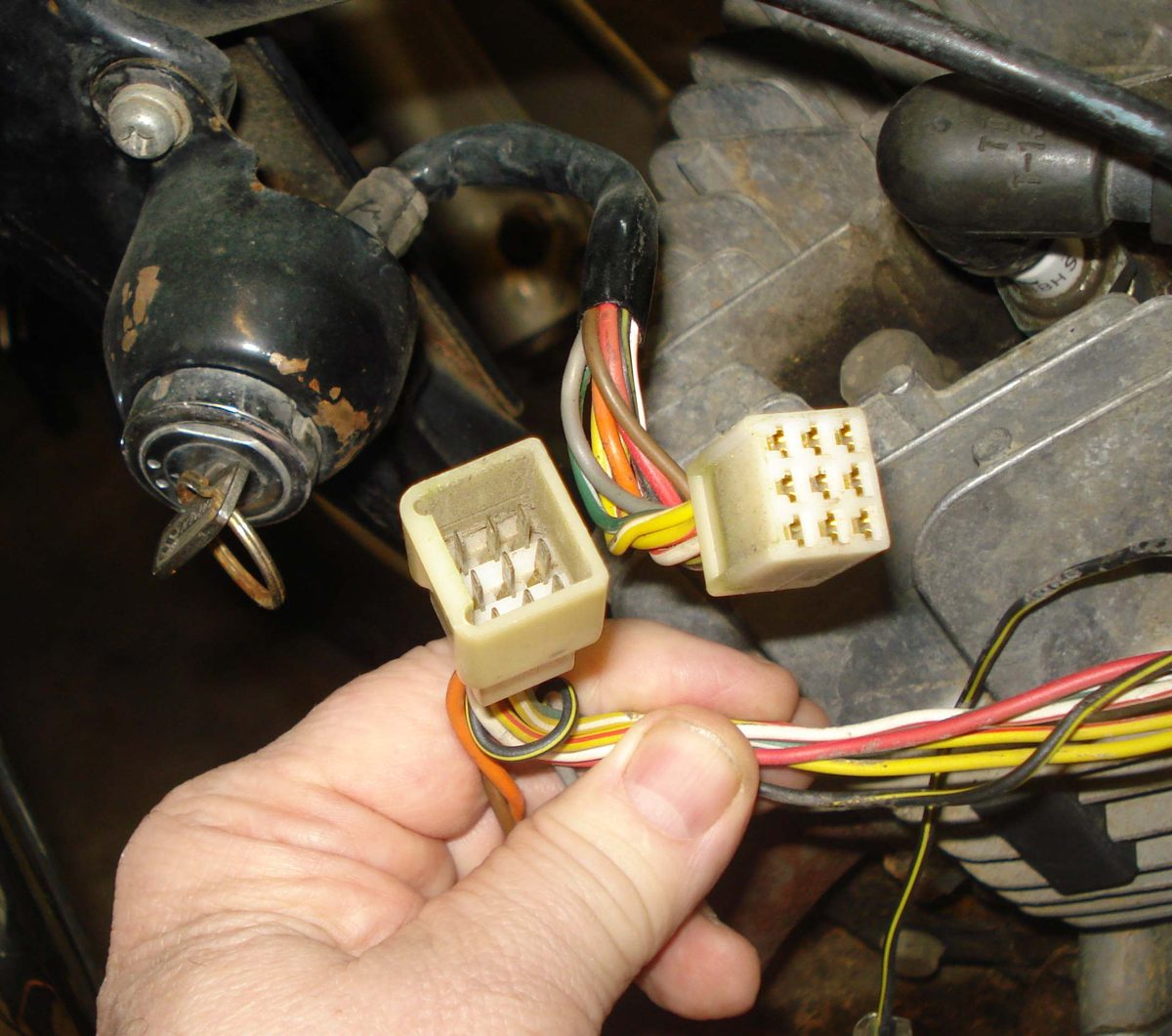
The wiring harness is the bundle of coloured wires that runs along the frame, from the battery and fuse box to the lights, switches, ignition and instruments. Connectors join it to each part.
What it does
Each circuit takes power from the battery through a fuse and a switch to its load, then back through the frame (the earth). Wire colours tell you which circuit a wire belongs to. Most electrical faults are not in the parts themselves but in a corroded connector, a loose earth or a chafed wire. Trace the circuits in the Wiring Lab.
Signs it is worn or failing
- Several things stop working at once: All lights out.
- Faults that come and go over bumps or in rain: Wet connectors, Warning lights flicker.
- Smell of hot plastic: Burning smell from the wiring. Switch off and disconnect the battery.
- Bulbs blow often: Bulbs blow often, often a charging fault.
- Battery goes flat when parked: Battery goes flat.
When to replace it
Repair rather than replace: clean corroded connectors, re-make loose crimps and fix chafed wires. Replace the harness only after a fire, heavy corrosion or many cut and joined wires.
What to match when buying
- A harness must match the model, year and options (kick or electric start, carburettor or fuel injection, CDI or ECU).
- Use wire of at least the same size, and the same fuse rating. Never fit a bigger fuse to stop a fuse blowing.
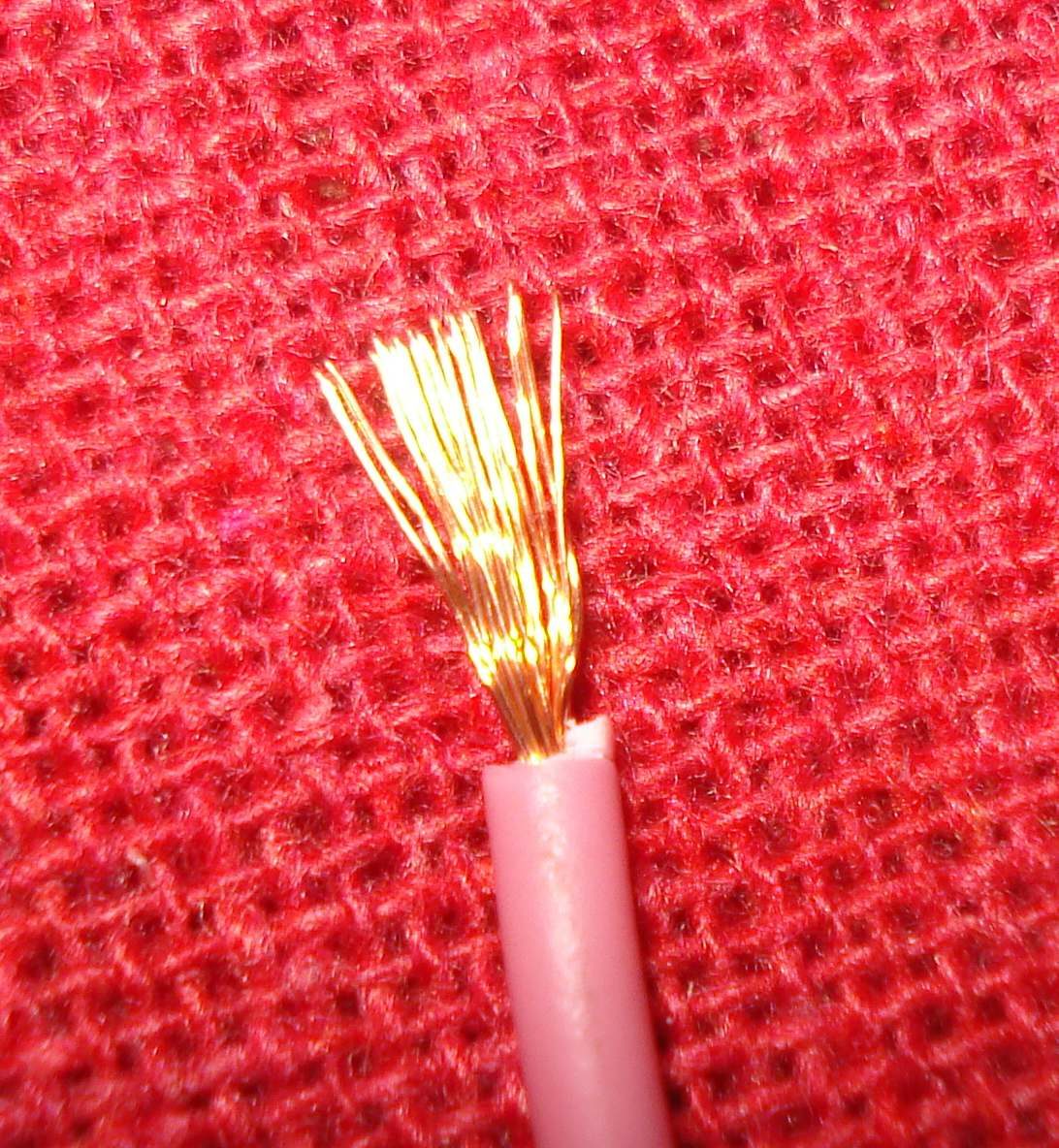
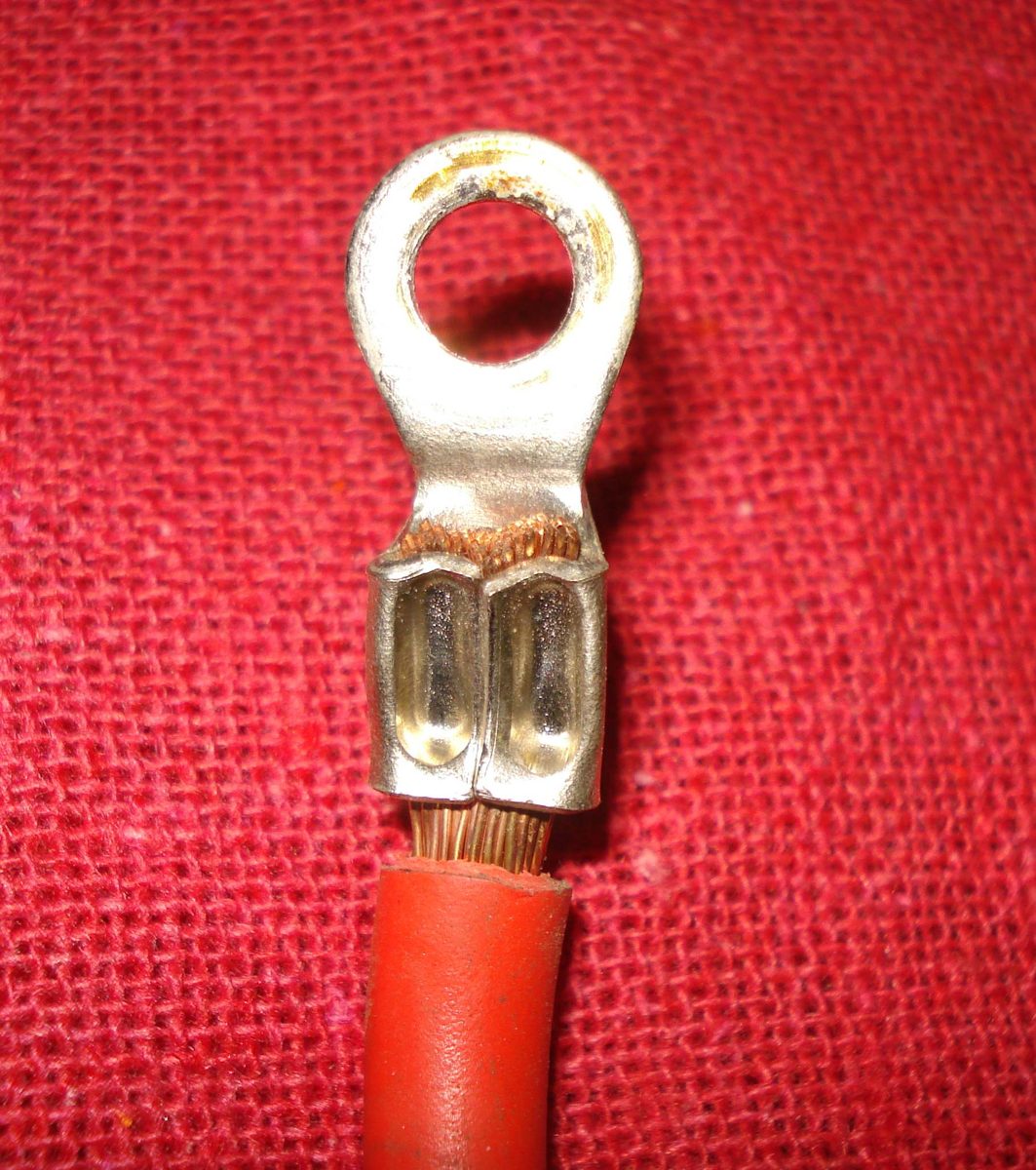
- Wire and terminals are sold separately: Electrical wire and Wire terminals and connectors.
Fitting notes
- Start with Clean and protect connectors and Clean the earth connections.
- Find faults with a meter: Find a wiring fault and Voltage drop test.
- Disconnect the battery negative lead first before working on wiring.
Reference (K-Light 125)
| Item | Value | PDF page |
|---|---|---|
| Leakage current with key off | 1 mA or less | 36 |