
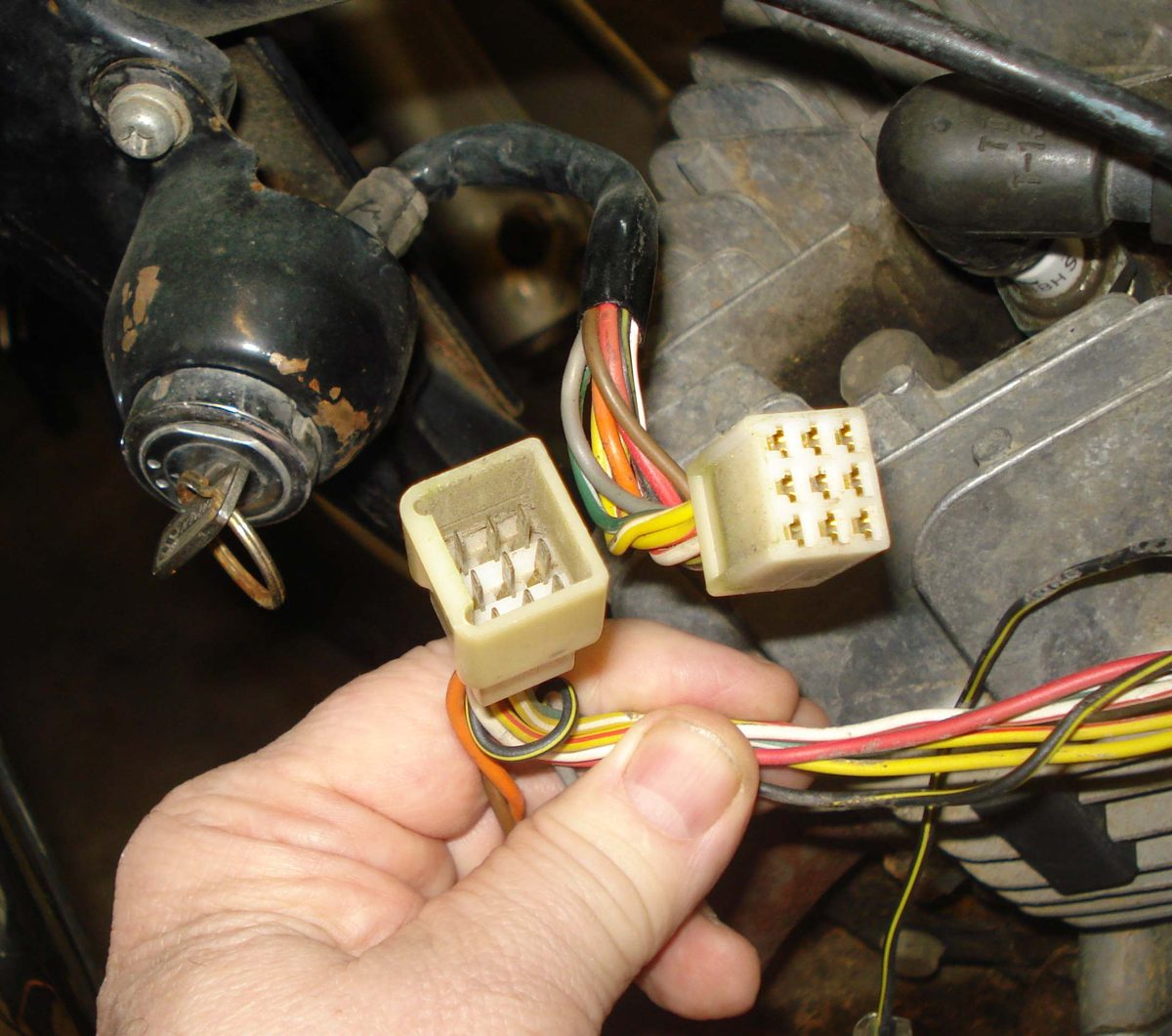
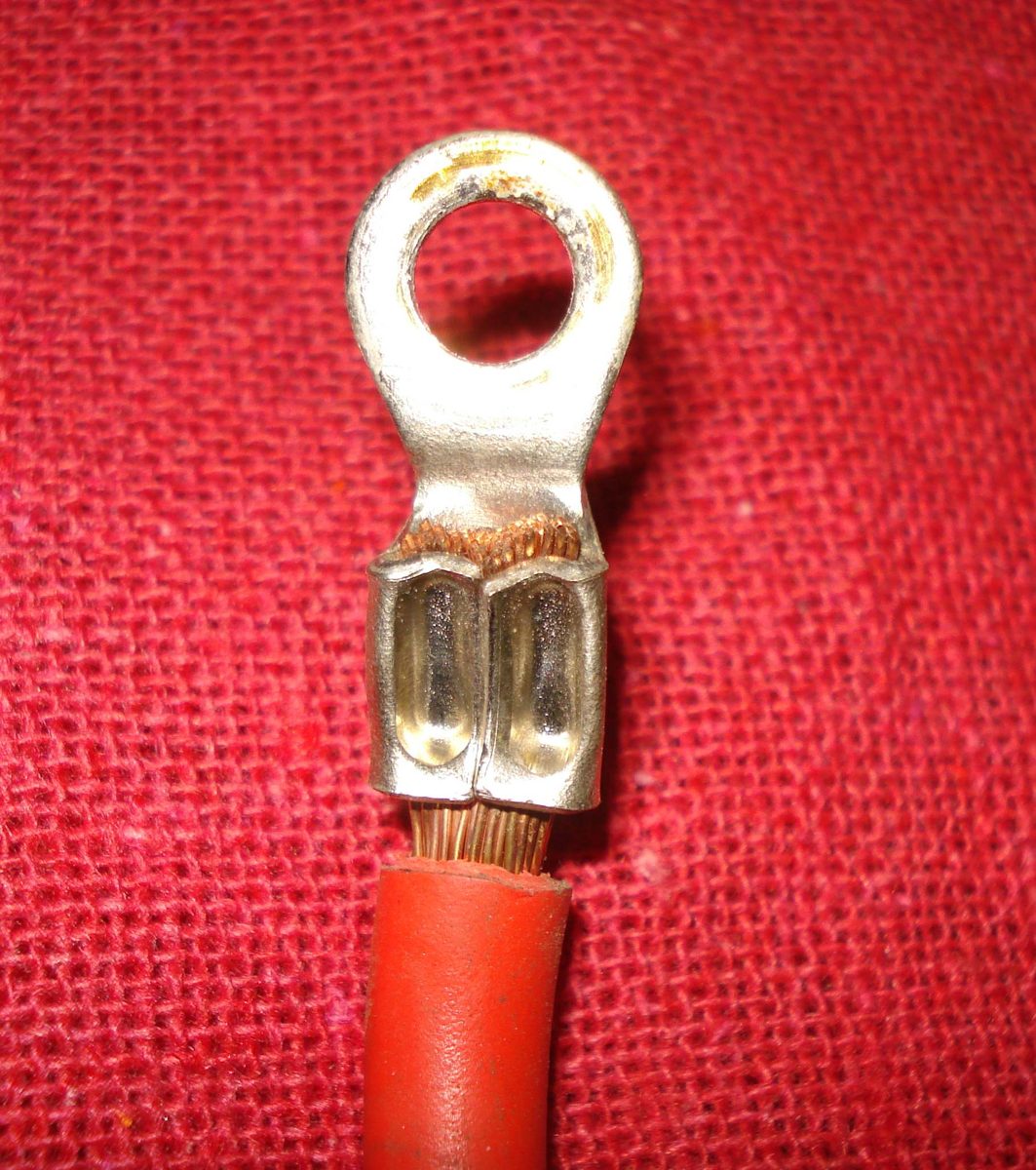
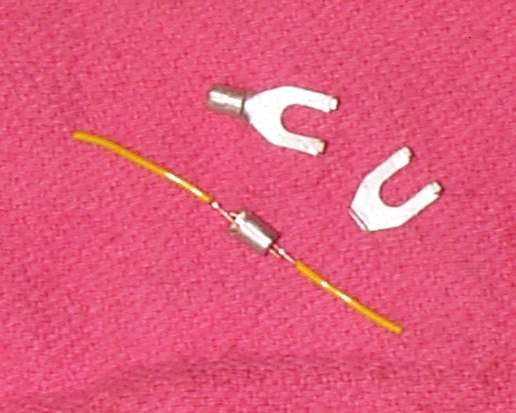
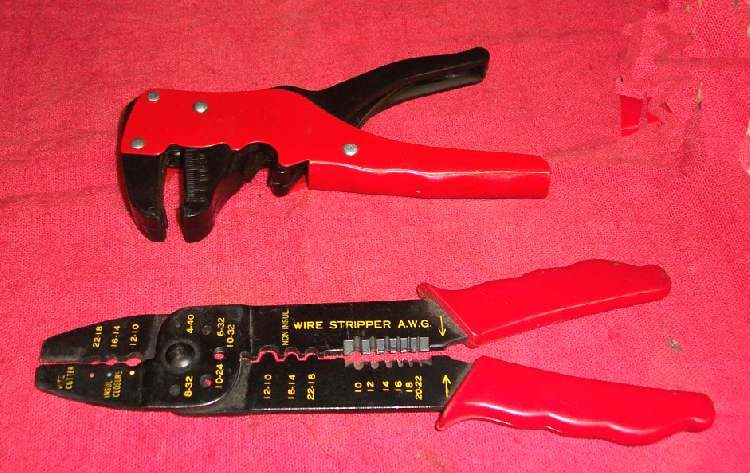
Terminals are the metal ends on wires: rings, forks, bullets and blades. Connectors are the plastic blocks that hold several terminals and plug the harness into the switches, lights, coil and CDI. Most "electrical faults that come and go" are in one of these joints, not in a part.
What it does
It joins a wire to a part or to another wire with low resistance, and keeps the joint tight, dry and insulated. A poor joint heats up, drops voltage or breaks the circuit.
Signs it is worn or failing
- Lights, horn or ignition that cut out over bumps: Electrical faults come and go.
- Faults after rain or washing, with green or white powder on the pins: Electrical faults after rain or washing.
- Melted or brown plastic, a hot connector or a burning smell: Burning smell from the wiring.
- Wire that pulls out of its terminal, or a terminal that is loose in the block.
- A hot connector at the regulator: Regulator is very hot or the connector has melted.
When to replace it
Clean light corrosion with a contact cleaner and a fine abrasive and recheck. Cut off and replace any terminal that is melted, cracked, loose or green all through. A burnt block usually means the pins have lost their grip, so fit a new block and new pins together. Find why it overheated before refitting. See Clean electrical connectors.
What to match when buying
- Terminal type and size to suit the block or the stud.
- Wire size: the terminal must fit the wire and carry the load. See Choose the right wire.
- Insulated or bare, and sealed types for wet places.
- Brand and pin count for a replacement block.
Fitting notes
- Strip only enough insulation, crimp with the right pliers and tug the joint. Add heat-shrink where water can get in. See Join wires with crimp connectors.
- Solder only where the joint will not flex. See Join two wires by soldering.
- Do not tape over a bad joint; redo it. Keep joints clear of hot or moving parts.