
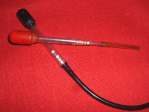
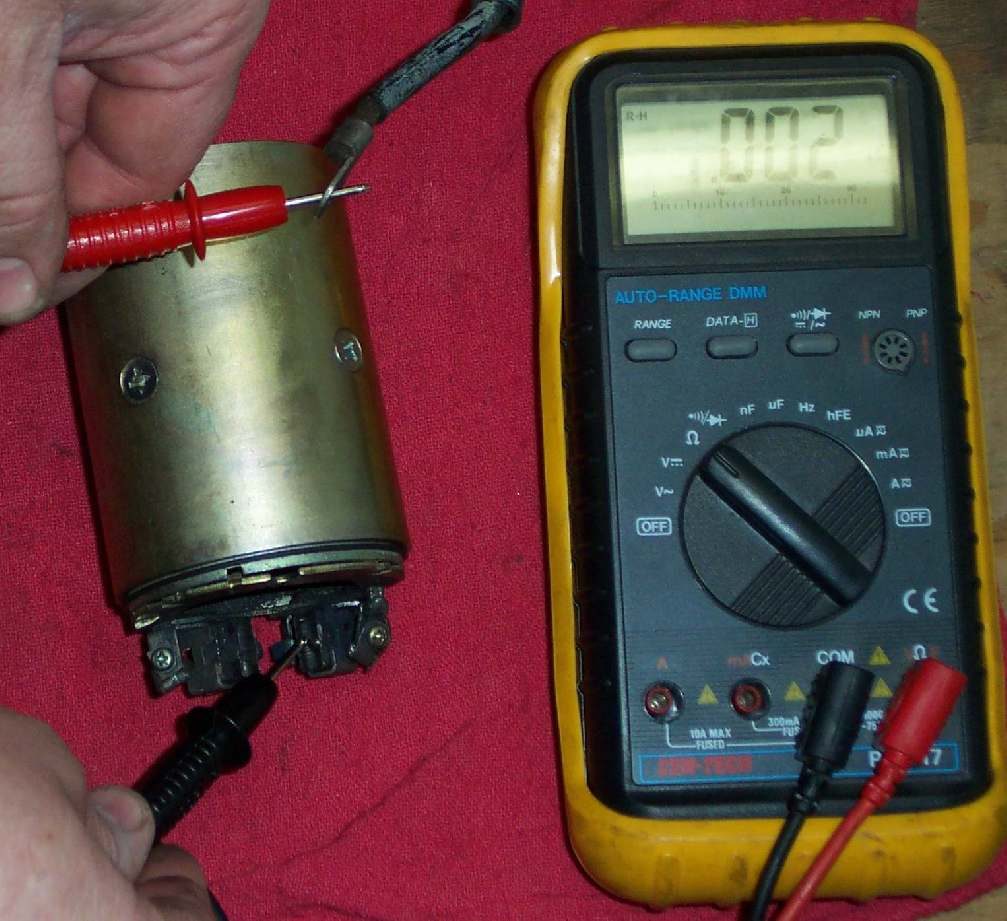
The starter turns the engine, but slowly, and the engine may not start. The starter needs a large current, so anything that weakens it (a tired battery, a dirty joint, worn starter brushes) or anything that makes the engine harder to turn (thick cold oil, a tight engine) slows the cranking. The K-Light 125 fault chart lists low battery power, poor wiring and a foreign body caught in the starter gear (PDF page 92).
Is it safe to ride?
Yes, if it starts. But the battery may soon fail to start the bike at all, and a fuel-injected bike needs a healthy battery to run its pump and ECU.
Quick checks first
- Do the lights dim a lot while cranking?
- Is it worse on cold mornings?
- When was the battery fitted? Lead acid batteries often weaken after 2 to 3 years (K-Light 125 manual).
- Are the terminals tight and clean?
- Is the oil the grade your manual asks for?
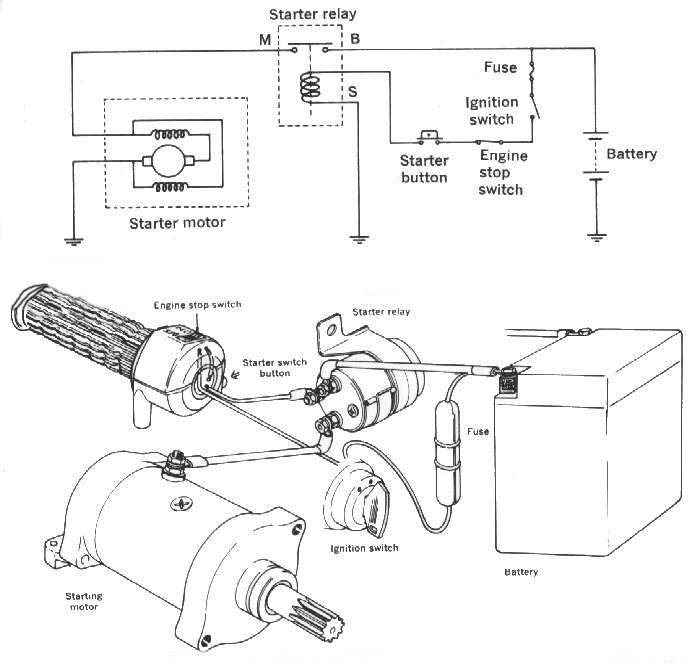
- Starter cables are thick for a reason. A thin, damaged or loose starter cable or lug can starve the starter even with a good battery.
Diagnose it step by step
1Is the battery charged when rested (K-Light 125: about 13.1 V full, charge at 12.3 V)?
- No: charge it with Test and charge a 12 V battery. If it will not hold charge, replace it. If it goes flat after riding, see Battery is not charging while riding.
- Yes: go to step 2.
2Does the battery voltage fall a lot while cranking?
- Yes, and the battery is charged: the battery may be worn out. A good voltage at rest does not prove a battery is healthy. Have it load tested or try a known good battery.
- No, it stays fairly steady: go to step 3.
3Are all heavy cable joints clean and tight (battery posts, relay, starter, earth to engine)?
- No: Clean and tighten battery terminals and Clean and tighten earth connections.
- Yes: go to step 4.
4Does a voltage drop test while cranking show a large loss across any one cable or the relay?
- Yes: replace that cable or relay. Test the starter circuit.
- No: go to step 5.
5With the plug out (cap on a spark tester), does the engine now spin fast and easily?
- Yes: the starter and battery are fine; the engine is harder to turn than normal. Check oil grade and level (Check the engine oil level) and compression (Test engine compression). Very high compression can come from heavy carbon.
- No, still slow: go to step 6.
6Does the engine turn freely by hand or with the kickstarter?
- No: it may be tight or damaged. See Engine has seized or locked up.
- Yes: the starter motor is weak. Remove and inspect the starter motor.
Causes, most likely first
| Cause | How to confirm | Fix |
|---|---|---|
| Partly flat battery | Low rested voltage | Test and charge a 12 V battery |
| Worn battery | Charged, but voltage collapses when cranking | Replace a 12 V battery |
| Dirty or loose terminal or earth | Voltage drop across the joint; warm terminal | Clean and tighten battery terminals |
| Thick or wrong oil in cold weather | Slow only when cold | Change the engine oil and clean the strainer |
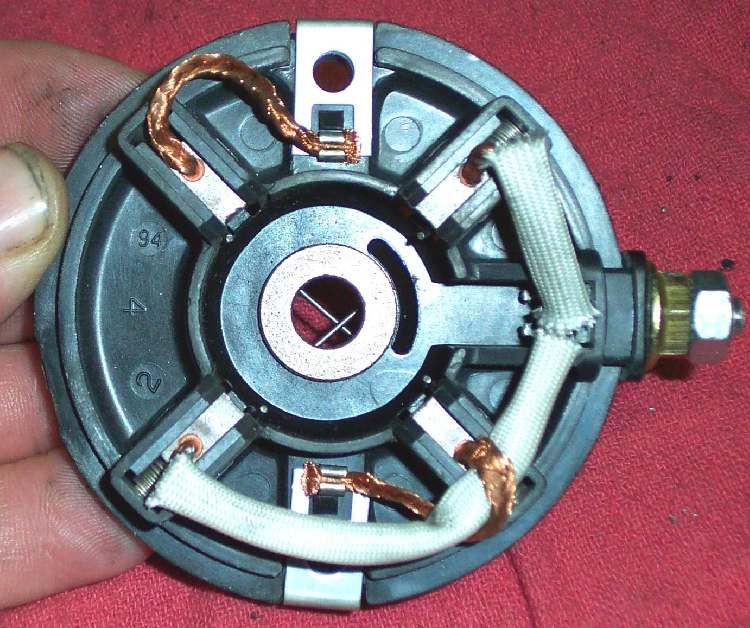
| Worn starter brushes | Full voltage at starter, still slow | Remove and inspect the starter motor |
| Tight engine or heavy carbon | Slow even with plug out; high compression | Test engine compression |
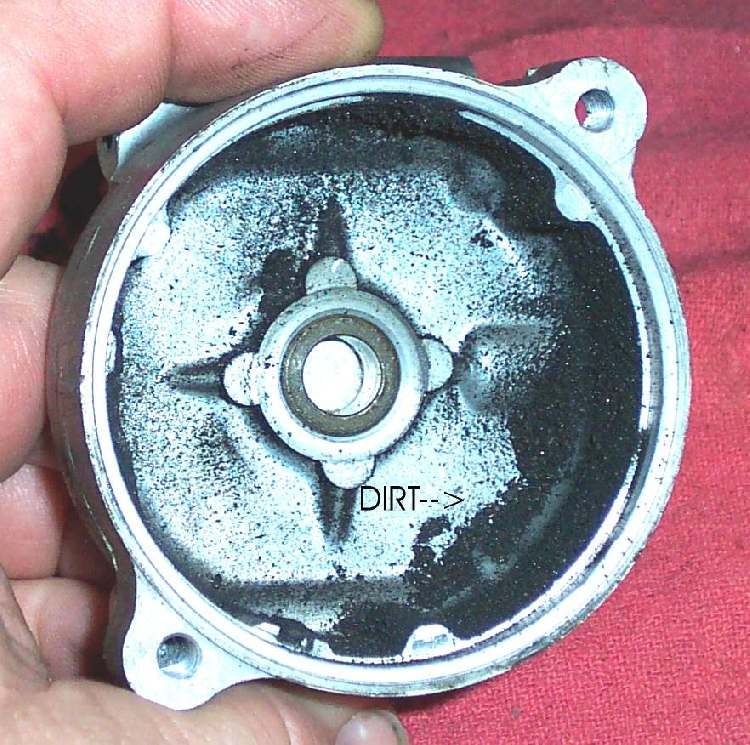
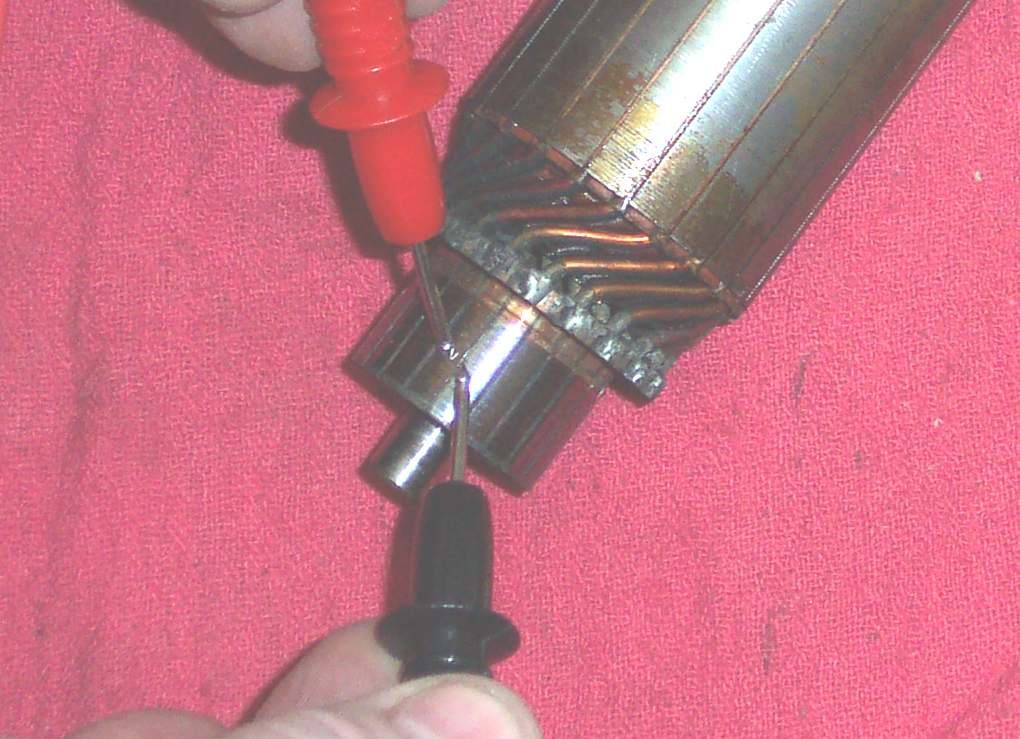
| Dirty brush holder or commutator in the starter | Black carbon dust inside the end cover; worn brushes | Check starter brushes, commutator and armature on the bench |
Reference values (K-Light 125)
| Item | Value | PDF page |
|---|---|---|
| Battery fully charged (20 °C) | 13.1 V | 76 |
| Battery needs charging (20 °C, after 1 h rest) | 12.3 V | 76 |
| Starter brush limit | 8.5 mm | 91 |