
The engine starts easily once warm, but on a cold morning it takes many tries. A cold engine needs a richer mixture because fuel does not evaporate well on cold metal. A carburettor bike gets this from the choke. A fuel-injected bike gets it from the ECU, which reads an engine temperature sensor. A cold engine also has thicker oil and a battery that gives less power. So the usual causes are the choke system, the battery, a weak spark, a small blocked jet, or a wrong temperature reading.
Is it safe to ride?
Yes once it is running and warmed up. Let it idle briefly before riding off.
Quick checks first
- Carburettor: are you using the choke? Does the choke lever move freely and return?
- Fuel-injected: K-Light 125 manual says not to touch the throttle when starting (PDF page 277). The ECU raises idle by itself on a cold engine.
- Does the starter turn the engine at normal speed?
- Has the bike stood for weeks with old fuel?
Diagnose it step by step
1Does the engine crank at normal speed when cold?
- No: cold weakens the battery and thickens the oil. Go to Engine turns over slowly.
- Yes: go to step 2.
2Carburettor: does the choke work (lever moves the plunger or flap, and the engine runs faster with it on once started)?
- No: Check the choke or starter valve and Choke is stuck on or will not work.
- Yes, or fuel-injected: go to step 3.
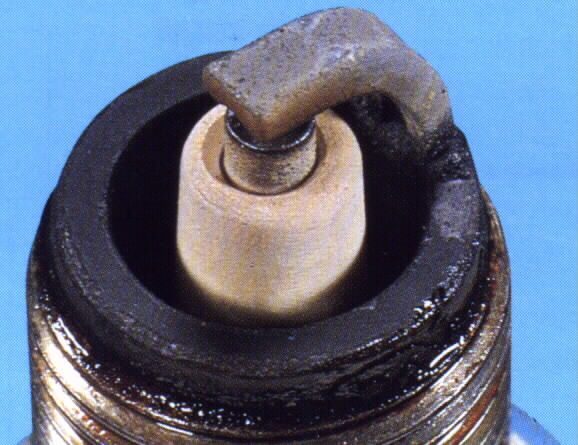
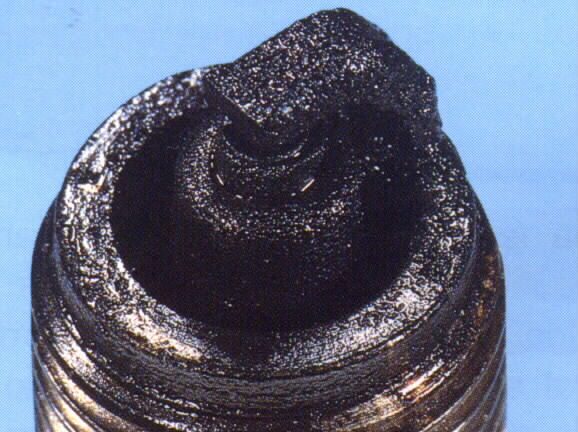
3Is the spark plug clean, dry and correctly gapped?
- No: Remove, check, gap and fit a spark plug. A sooty plug fires poorly when cold.
- Yes: go to step 4.
4Is the fuel fresh (no sour or varnish smell, not left for months)?
- No: see Old or stale fuel in the tank.
- Yes: go to step 5.
5Carburettor: does it start on the choke but stall when you push the choke off?
- Yes: the pilot (idle) jet is partly blocked. Clean the carburettor and see Starts only with the choke on or the throttle held open.
- No: go to step 6.
6Fuel-injected: is there a fault code for the temperature sensor, or does the idle not rise when cold?
- Yes: Check the engine sensors (TPS, MAP, temperature). K-Light 125: the ECU raises idle below 68 °C engine temperature; the head temperature sensor reads 1.9 to 2.1 kΩ at 25 °C.
- No: go to step 7.
7Are the valve clearances and compression correct?
- Have them checked: Check and adjust valve clearance, Test engine compression. Valves set too tight may not close fully, which loses compression and makes cold starting hard.
Causes, most likely first
| Cause | How to confirm | Fix |
|---|---|---|
| Choke not used or not working | Starts with choke working | Check the choke or starter valve |
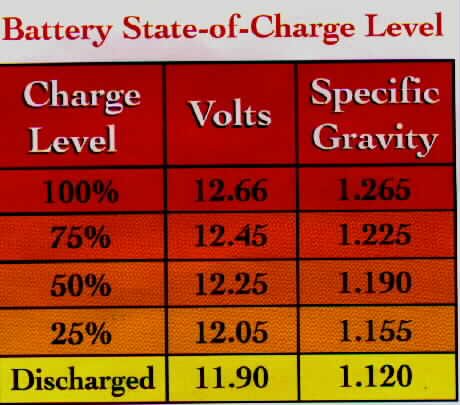
| Weak battery or thick oil | Slow cranking when cold | Test and charge a 12 V battery |
| Fouled or worn plug | Plug sooty or worn | Remove, check, gap and fit a spark plug |
| Stale fuel or part-blocked pilot jet | Dies when choke goes off | Clean the carburettor |
| Air leak at the intake rubber | Hissing; idle changes when sprayed | Find an intake air leak |
| Engine temperature sensor fault (EFI) | Fault code; wrong reading | Check the engine sensors (TPS, MAP, temperature) |
| Valve clearance too tight, low compression | Gauge and feeler checks | Check and adjust valve clearance |
Reference values (K-Light 125)
| Item | Value | PDF page |
|---|---|---|
| Fast idle active below | 68 °C engine temperature | 276 |
| Head temperature sensor | 1.9 to 2.1 kΩ at 25 °C | 261 |