
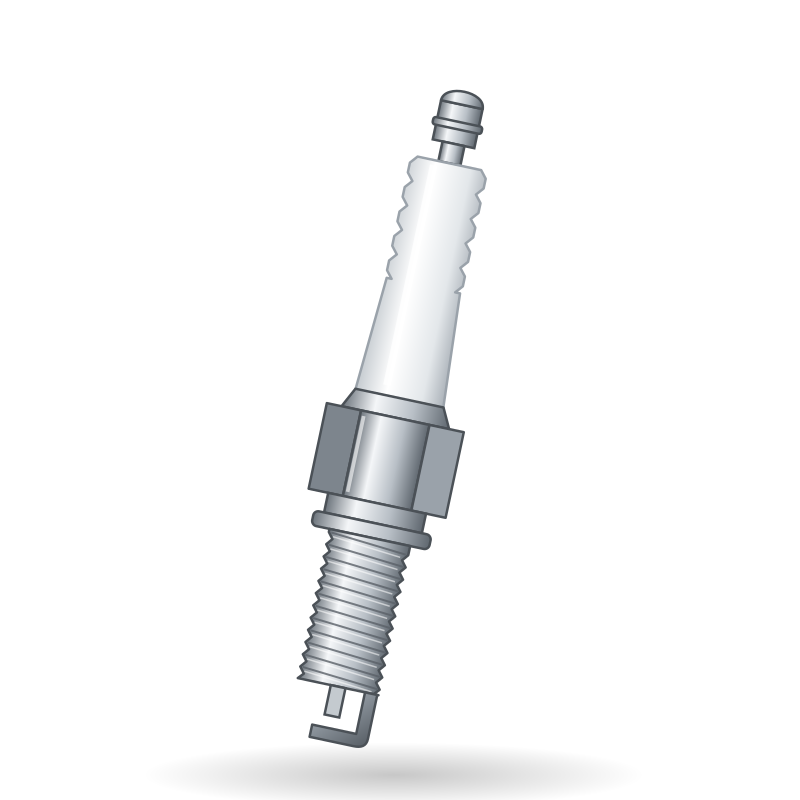
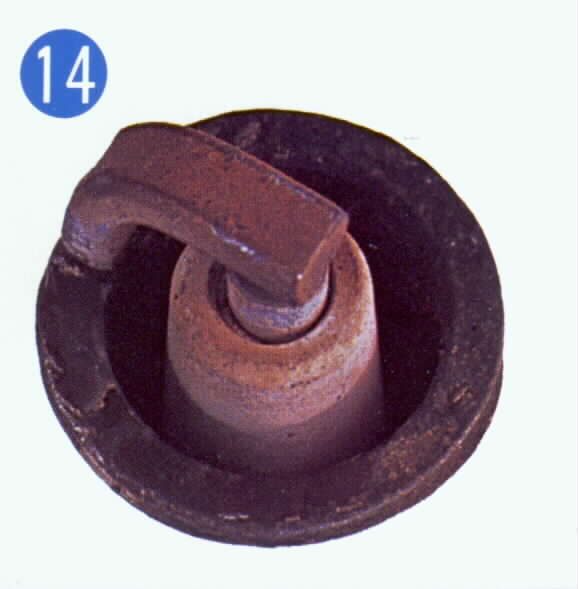
The spark plug screws into the cylinder head. Its top end takes the plug cap from the ignition coil; its bottom end, with two electrodes and a small gap, sits in the combustion chamber.
What it does
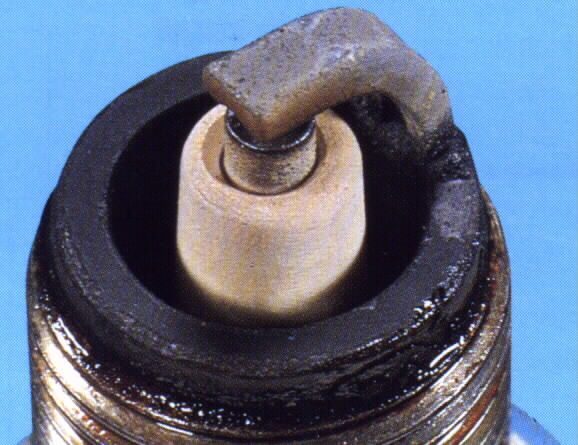
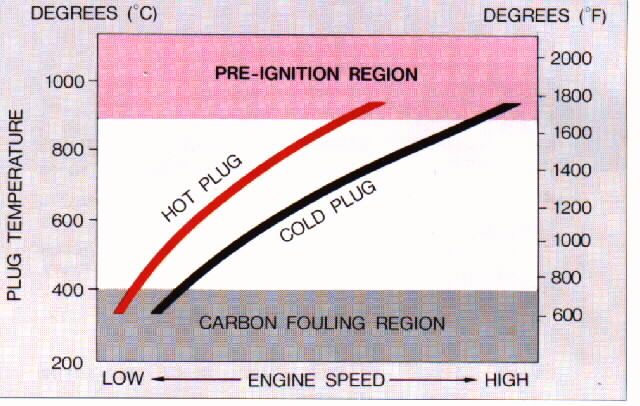
The coil sends a very high voltage down to the plug, and a spark jumps the gap and lights the fuel and air mix. The plug must stay hot enough to burn off soot but cool enough not to glow. How hot it runs is its heat range. Electrodes wear round and the gap grows, so the spark gets weaker. The colour of the tip tells you how the engine is running.
Signs it is worn or failing
- Engine turns over but will not start, hard cold start.
- Misfires under load or at high revs.
- Plug colour: black and sooty, white or blistered, wet with oil.
- Cracked insulator or rounded electrodes.
When to replace it
K-Light 125: inspect every 3000 km and replace at 6000 km and 12000 km. Replace any plug with a cracked insulator, eroded electrodes or heavy deposits. The K-Light manual says replace rather than re-gap a plug whose gap has worn out of range.
What to match when buying
- Thread diameter and reach (length of thread), heat range, resistor type and tip type must all match.
- Each maker codes these differently. On NGK and Denso a higher number is a colder plug; on Champion a higher number is hotter. The K-Light plug is D7RTC. Use the plug maker's own cross-reference chart to find an equivalent; do not guess from the letters.
- A projected tip in an engine that does not call for one can hit the piston.
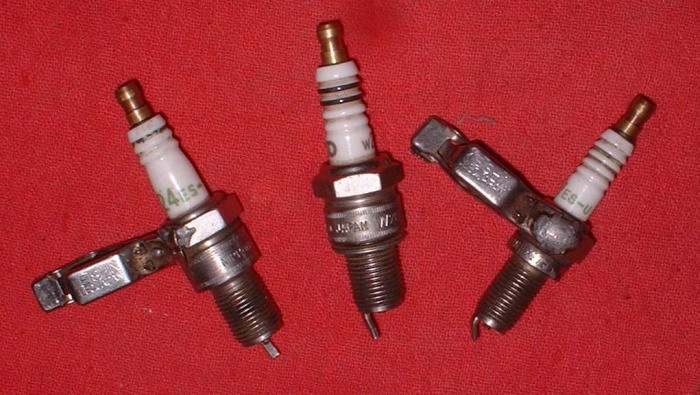
- Fakes: NGK lists smudged printing, machining marks on the crimp and shell, a missing lot number on the hex, and a centre electrode that looks wrong. Buy from a trusted dealer.
Fitting notes
- Rider job: Remove, check, gap and fit a spark plug; read it with Read a spark plug.
- Remove and fit with the engine cold. Start the thread by hand to avoid cross-threading the aluminium head.
- Check the gap before fitting; some iridium plugs must not be bent.
Reference (K-Light 125)
| Item | Value | PDF page |
|---|---|---|
| Plug type | D7RTC | 89 |
| Gap | 0.7 ± 0.1 mm | 58 |
| Torque | 15 N·m | 58 |
| Service | inspect every 3000 km, replace at 6000 and 12000 km | 51 |