
The top end is everything from the base gasket up: cylinder, piston, rings, head and valves. Work here needs measuring tools, a manual with limits for your engine, and clean conditions, because one grain of grit in the bore or a part fitted backwards can ruin the engine. This page helps you decide whether a top-end job is needed and what to ask a workshop for.
Before the strip: what you can do
- Do Test engine compression, dry and wet, and if possible Do a leak-down test.
- Check Check and adjust valve clearance first. Tight clearance alone can cause low compression.
- Read the spark plug: wet with oil points to rings or valve stem seals.
- Note the symptoms: blue smoke when accelerating (rings) or after idling and on closing the throttle (valve stem seals and guides); knock when cold (piston to bore clearance).
What the workshop does
- Cleans the outside of the engine first so dirt cannot fall in.
- On many four-strokes removes the engine; two-stroke top ends usually come off in the frame.
- Removes the head with fasteners loosened in the right order, then the cylinder, tilting it so any broken ring pieces fall outside the crankcase. A rag goes over the crankcase opening at once.
- Checks the most expensive "condemn early" items first: con rod play and small-end bore. Any up-and-down play at the big end means bottom-end work.
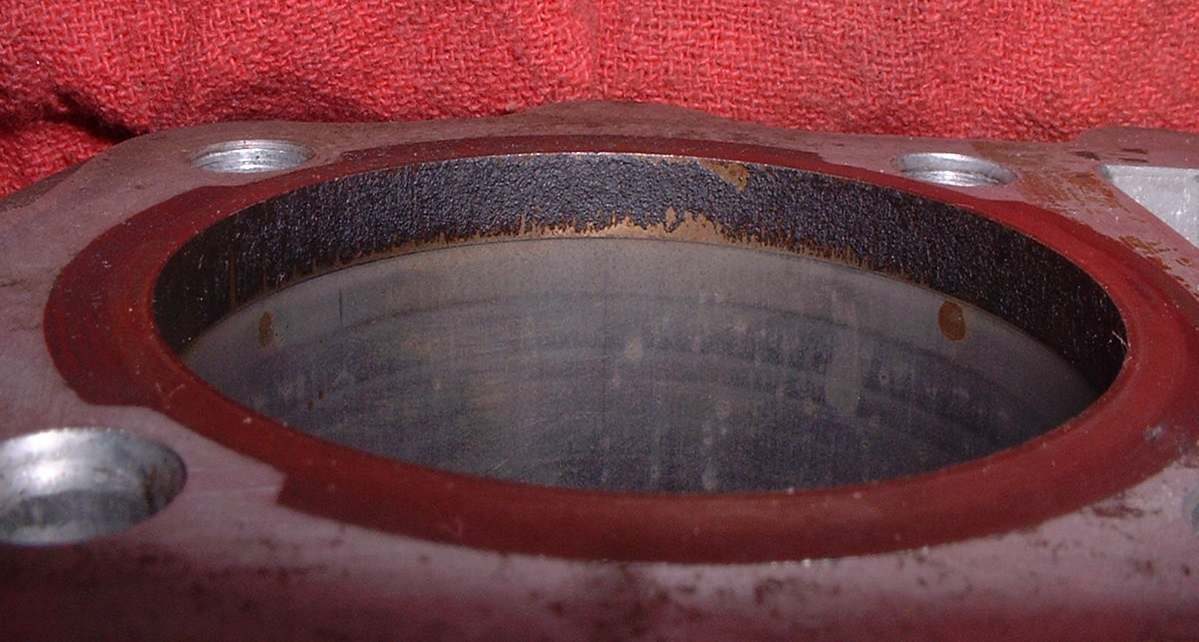
- Measures the bore in six places (top, middle, bottom, in line with and across the crankshaft), the piston skirt at 90° to the pin, ring end gaps, pin and pin bore, and compares each with the manual limits.
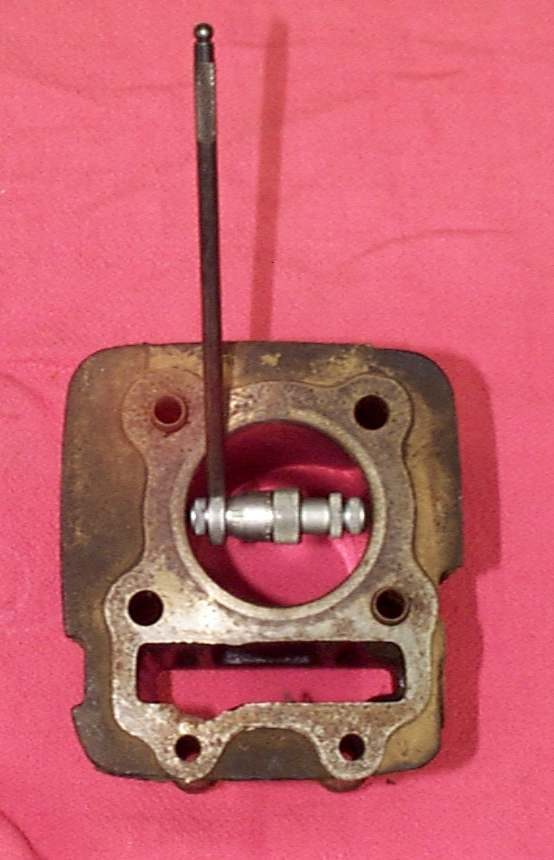
- Four-stroke head: checks flatness, valve stems and guides, spring free length, seat width and contact, rocker shafts and, on OHC engines, cam journals and lobes.
- Two-stroke: decarbonises the exhaust port and checks the small-end needle bearing; does not blast transfer or intake ports.
- Decides: new rings only, rebore with an oversize piston (iron liners), new plated cylinder (plated bores are not rebored), valve or guide work, or head replacement.
- Reassembles with new gaskets, clips and stem seals, rings the right way up with gaps staggered, piston "IN" mark toward the intake, fasteners to manual torque and sequence, and sets valve clearance.
What to ask for
- A written list of measurements against the limits, and the old parts.
- Run-in advice for new rings or a new piston.
Do not attempt at home
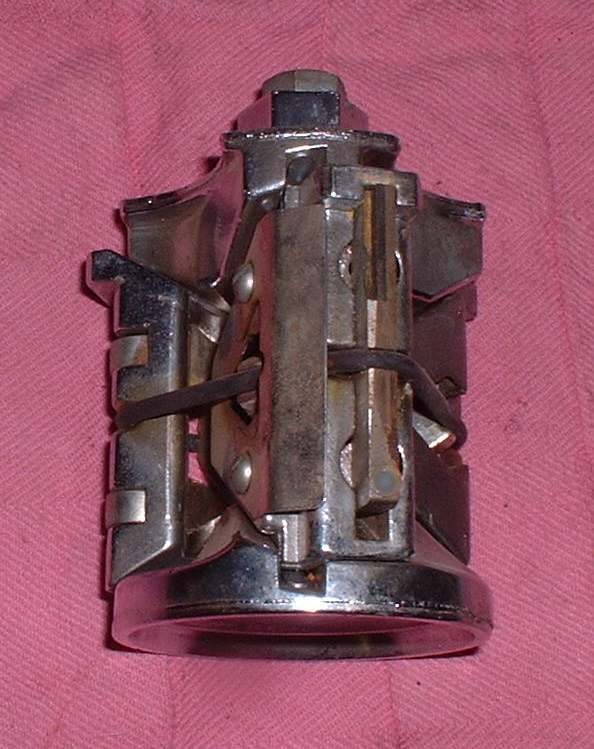
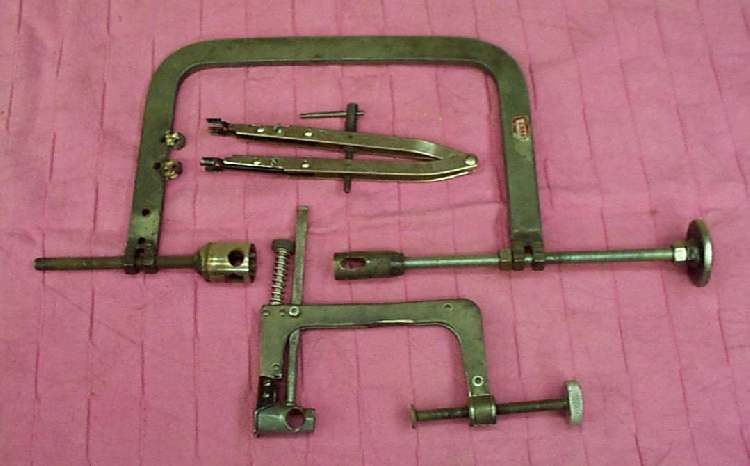
- Honing, reboring, valve seat cutting or guide replacement without the tools and limits.
- Reusing piston pin clips or head gaskets.
Check your work
- Compression back within the manual range, no smoke after run-in, no leaks at head or base.
If it did not fix the problem
- Damage below the cylinder: Assess bottom end and internal engine damage.
Reference values (K-Light 125)
Workshop reference limits, measured with proper tools.
| Item | Value | PDF page |
|---|---|---|
| Cylinder head flatness limit | 0.05 mm | 202 |
| Valve spring free length limit, inner / outer | 30 mm / 39.5 mm | 202 |
| Valve seat width limit | 1.6 mm | 202 |
| Ring end gap limit, top and second | 0.5 mm | 213 |
| Cylinder roundness and taper limit | 0.05 mm | 213 |