
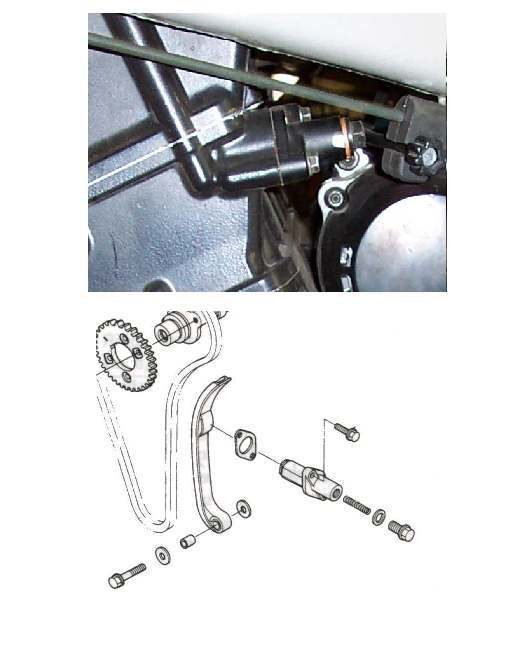
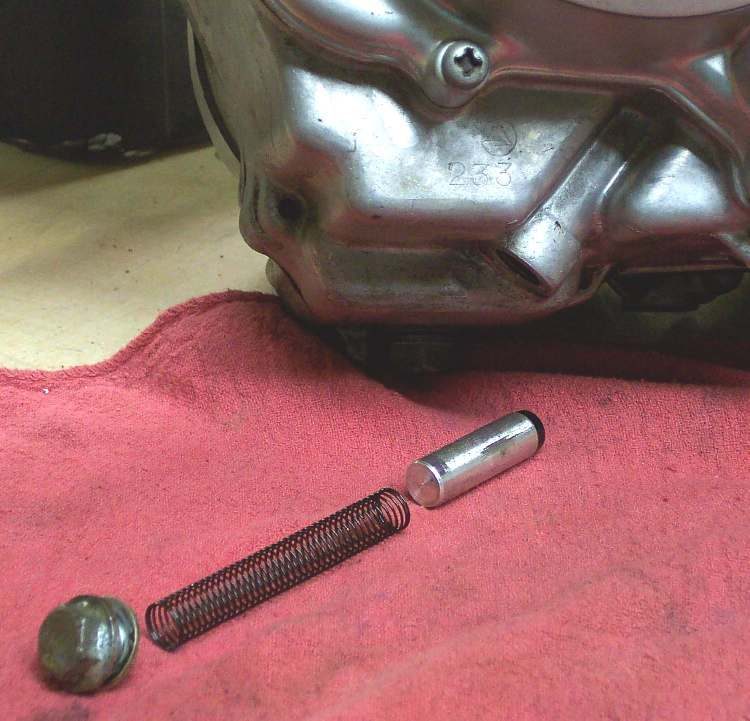
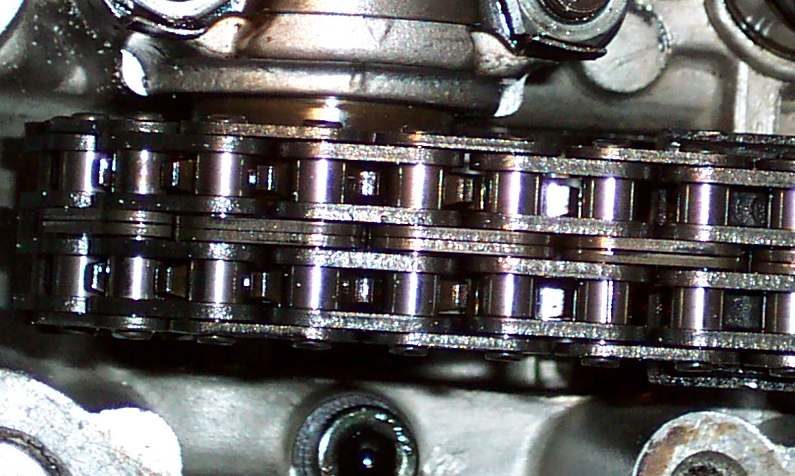
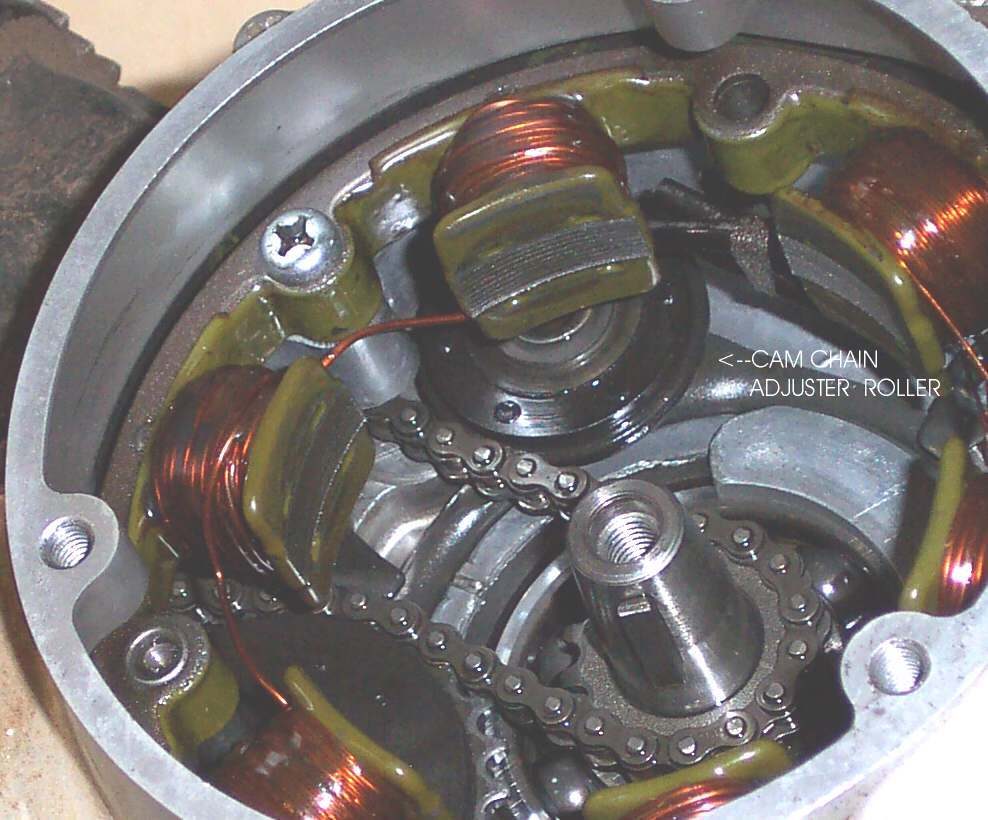
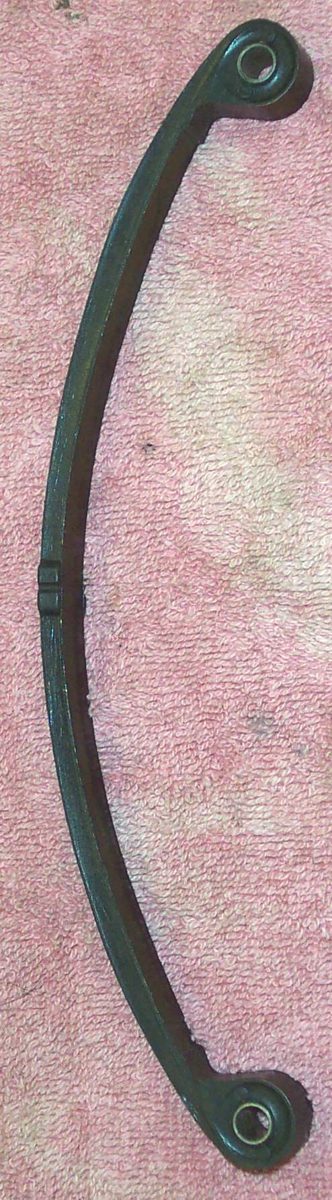
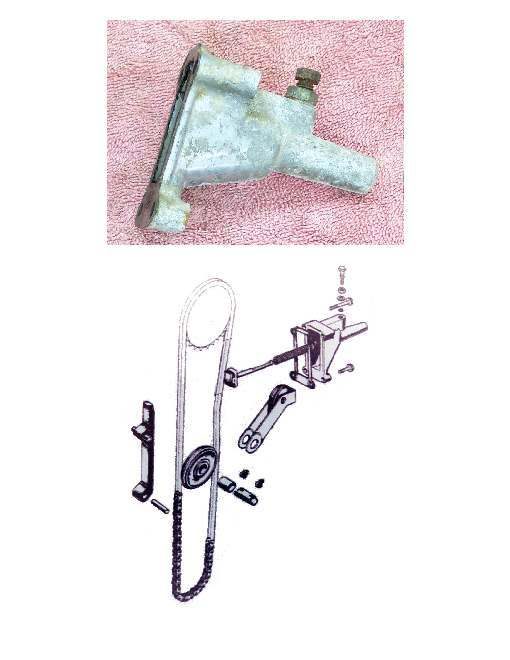
On an overhead cam (OHC) engine a chain drives the camshaft in the cylinder head. When the chain stretches or the tensioner stops pushing, the chain slaps against its guides. You hear a fast metallic rattle or slap from the cylinder, often loudest at idle or just after a cold start, and quieter at higher revs. A slack chain wears its guides and sprockets quickly and can skip a tooth, which lets the valves hit the piston. Note: pushrod engines such as the K-Light 125 have no cam chain; the camshaft sits next to the crankshaft. On those engines go to Ticking noise from the top of the engine.
Is it safe to ride?
A light rattle at idle: ride gently to a workshop soon. A loud rattle, a rattle with loss of power, or grinding: stop and do not restart.
Quick checks first
- Does your engine have a cam chain? Check the manual or parts diagram.
- Oil level and age: thin, old or low oil makes hydraulic tensioners noisy.
- Where is the noise? Cylinder side, head cover, or bottom of the engine?
- Did it start after a valve job or a new chain?
- Newer engines often have a tensioner that cannot be adjusted. When the chain gets noisy the fix is a new chain. Older engines have a pinch bolt or lock nut. See your bike's manual.
Diagnose it step by step
1Is your engine OHC with a cam chain?
- No (pushrod, like the K-Light): go to Ticking noise from the top of the engine or Knocking from the cylinder when cold that fades when warm.
- Yes: go to step 2.
2Is the oil level correct and the oil within its change interval?
- No: correct it with Check the engine oil level or Change the engine oil and clean the strainer. If the rattle goes, keep the oil right.
- Yes: go to step 3.
3Listen with a long screwdriver or stethoscope on the cylinder near the tensioner, then near the valve caps. Is it a sharp tick at the caps?
- Yes: valve clearance is more likely. Check it with Check and adjust valve clearance.
- No, it is a rattle along the chain side: go to step 4.
4Does it rattle most at idle and soften when you raise the revs a little?
- Yes: typical of cam chain slack. Go to step 5.
- No, it gets louder with revs and load, deep in the engine: go to Deep knocking from the bottom of the engine.
5Does your engine have a manual or semi-automatic tensioner that can be adjusted?
- Yes: adjust it following your manual only (there is no common method). If the rattle stays after adjusting, the chain is almost always worn out.
- No (automatic or hydraulic tensioner): go to step 6.
6Workshop check: Check the cam chain and tensioner. Is the tensioner at the end of its travel, or are guides broken?
- Yes: replace chain, guides and tensioner as the workshop advises, and check valve timing.
- No: the noise may be from the cam, rockers or valve springs. Ask for Assess the top end (cylinder, piston, valves).
7. At the next oil change, look for plastic pieces or metal in the oil with Inspect drained oil for clues. Pieces of guide in the oil mean the chain needs attention now, and the strainer must be cleaned.
Causes, most likely first
| Cause | How to confirm | Fix |
|---|---|---|
| Low, old or wrong oil (hydraulic tensioner) | Dipstick, service record | Change the engine oil and clean the strainer |
| Tensioner stuck or at its limit | Plunger travel, rattle at idle | Check the cam chain and tensioner |
| Stretched chain | Rattle stays after adjusting | Check the cam chain and tensioner |
| Worn or broken guides | Plastic in oil | Check the cam chain and tensioner |
| Valve clearance (not the chain) | Tick at valve caps | Check and adjust valve clearance |