
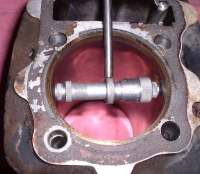
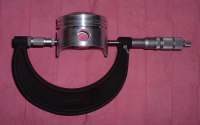
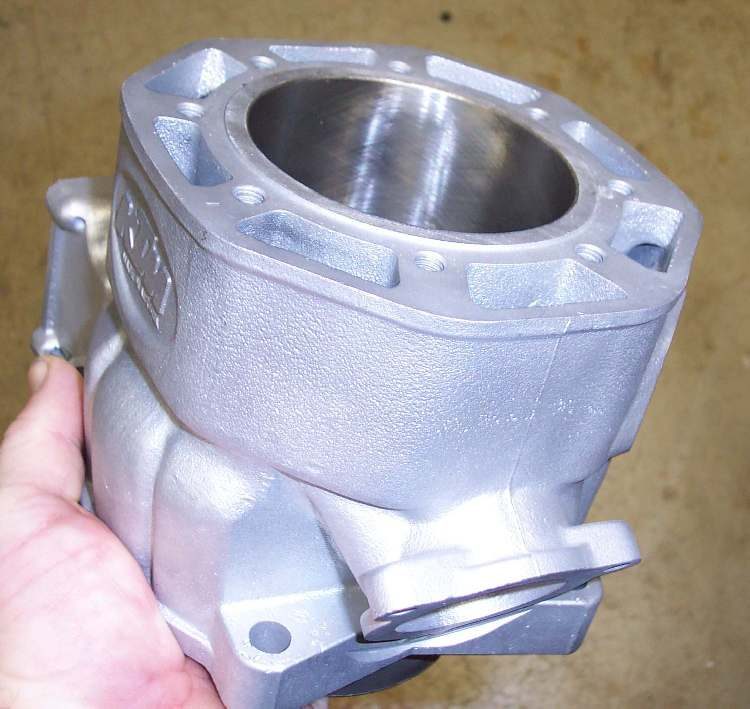
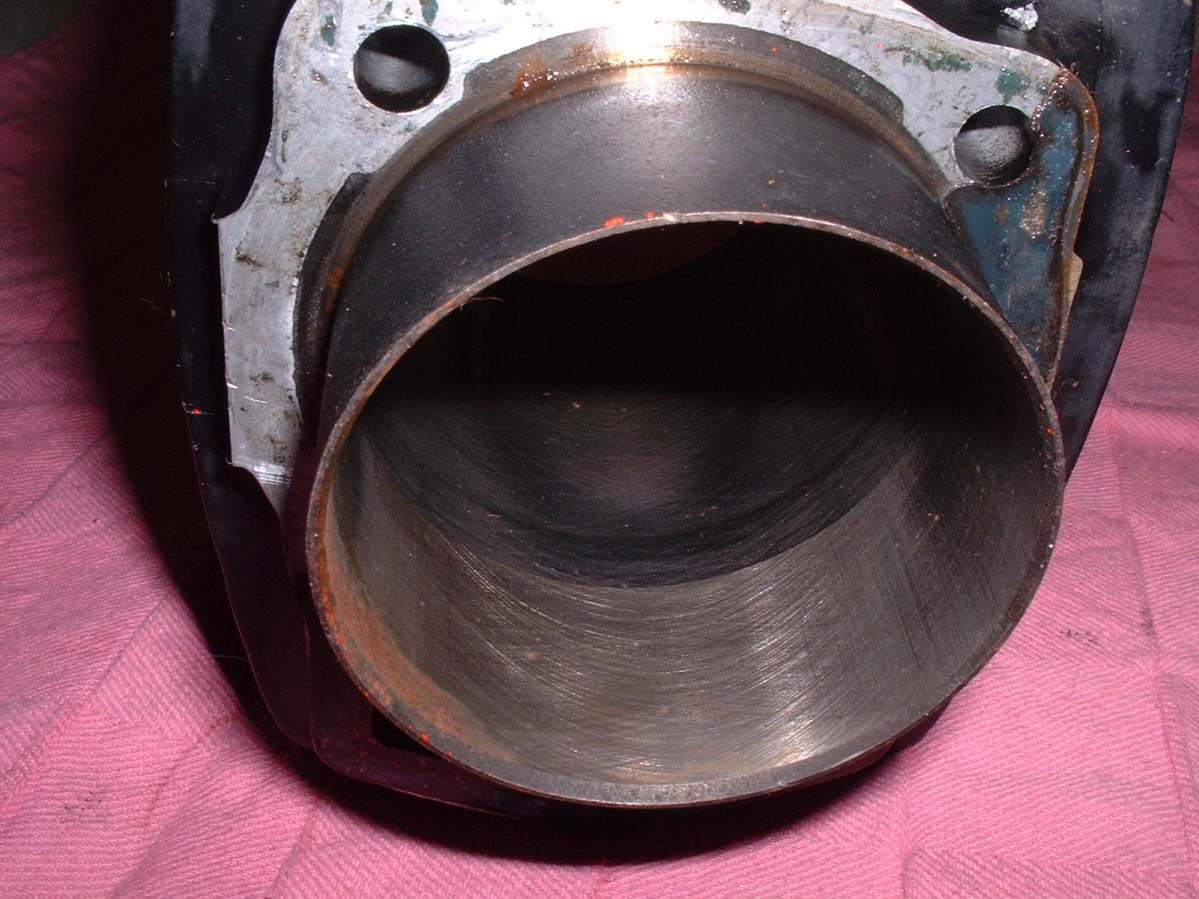
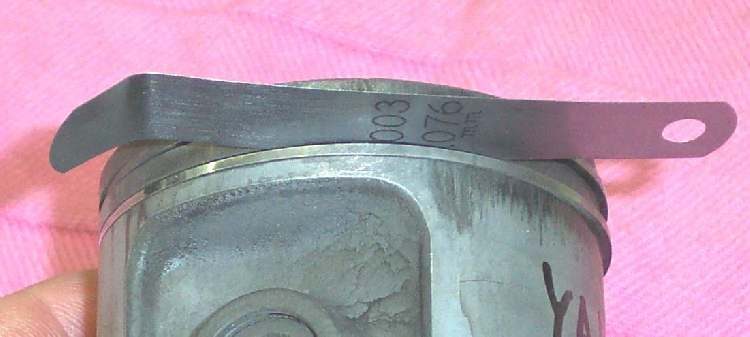
A piston is slightly smaller than its cylinder so it can grow when hot. When the cylinder and piston wear, the gap grows and the piston rocks and hits the cylinder wall as it changes direction at the top. You hear a hollow knock from the cylinder area on a cold engine, often louder when you open the throttle, that becomes quieter or disappears as the engine warms and the piston expands. The K-Light manual lists piston, ring and cylinder damage, and a worn piston pin and pin bore, as causes of piston noise.
Is it safe to ride?
Usually yes with care, because it is a wear sign rather than a sudden failure. Plan a workshop check. Stop if the knock stays when hot, grows louder, or comes with blue smoke and loss of power.
Quick checks first
- Does the noise really fade as the engine warms? Time it from a cold start.
- Oil level and grade correct?
- Any blue smoke when you accelerate?
- High mileage, or a recent rebore or new piston?
Diagnose it step by step
1Is the oil level correct?
- No: top up with Check the engine oil level and listen again from cold.
- Yes: go to step 2.
2Does the knock disappear fully when the engine is hot?
- Yes: go to step 3.
- No, it stays or gets louder when hot: go to Deep knocking from the bottom of the engine.
3Is it a light tick at the valve caps rather than a hollow knock in the cylinder?
- Yes: go to Ticking noise from the top of the engine.
- No: go to step 4.
4Does it rattle only when accelerating hard or climbing, even when hot?
- Yes: this is pinking, not piston slap. Go to Pinging or rattling sound when accelerating (pinking).
- No: go to step 5.
5Test compression with Test engine compression. Is it below the manual value, or does it rise clearly with the wet test?
- Yes: rings and cylinder are worn. Go to step 6.
- No: wear is moderate. Ride gently when cold (do not rev hard until warm), use the correct oil grade, and recheck at the next service.
6Is there also blue smoke or the oil level falling?
- Yes: the top end needs work. Ask for Assess the top end (cylinder, piston, valves). The workshop measures bore and piston and decides on new rings, a rebore with an oversize piston, or a new cylinder.
- No: monitor. A light cold slap on a high-mileage engine can last a long time if the oil is kept clean.
What happens if you ignore it: a badly worn piston can crack its skirt or break a ring, and pieces can damage the cylinder and crankcase.
Causes, most likely first
| Cause | How to confirm | Fix |
|---|---|---|
| Wear between piston skirt and cylinder | Knock cold, fades hot | Assess the top end (cylinder, piston, valves) |
| Worn piston pin or pin bore | Knock that stays sharper at idle | Assess the top end (cylinder, piston, valves) |
| Worn rings with the piston | Low compression, blue smoke | Test engine compression |
| Thin or low oil | Dipstick | Check the engine oil level |
| Bore worn with a ridge at the top | Ridge felt with a fingernail, piston rocks sideways | Assess the top end (cylinder, piston, valves) |
Reference values (K-Light 125)
| Item | Value | PDF page |
|---|---|---|
| Cylinder roundness and taper limit (workshop) | 0.05 mm | 213 |
| Piston to cylinder clearance limit (workshop) | 0.17 mm | 217 |