
The drive chain runs from the small front sprocket on the gearbox to the big rear sprocket on the wheel. It sits on the left side of most commuter bikes, often under a chain guard.
What it does
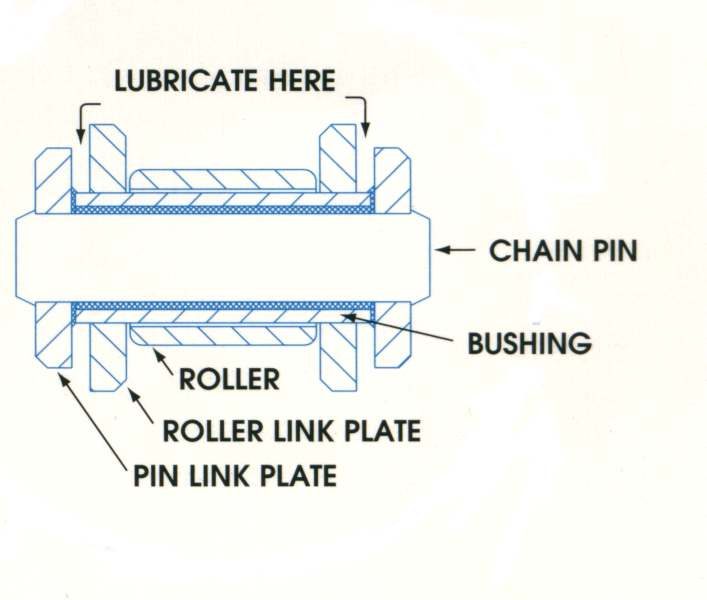
It carries the engine's power to the rear wheel. Each link has rollers that sit between the sprocket teeth. The chain needs a little slack, because the rear wheel moves up and down on the swingarm. Too slack and it slaps and can jump off; too tight and it pulls on the gearbox and wheel bearings and makes the wheel drag.
Signs it is worn or failing
- Clattering or slapping: Chain is noisy.
- Tight in some places and slack in others: Chain tight spots.
- Needs adjusting very often: Chain stretches fast.
- Dry, rusty or stiff links: Chain is dry or rusty.
- Jumps teeth or comes off: Chain jumps. Do not ride.
When to replace it
Replace the chain when it is stretched beyond the maker's wear limit, when slack cannot be adjusted evenly, or when links are stiff or rusty after cleaning. Always replace the chain and both sprockets together: a new chain on worn sprockets wears out very quickly.
What to match when buying
- Size: the pitch and width, written on the side plates (for example 428 on many 100 to 150 cc bikes).
- Number of links: count them or check your manual.
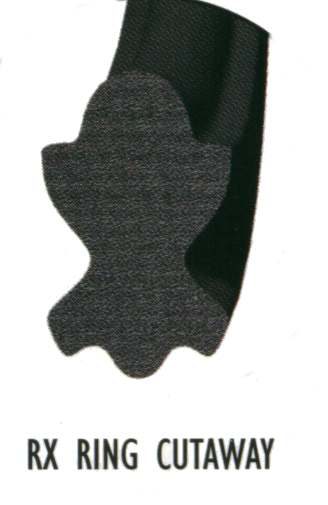
- Type: plain, or O-ring for longer life. O-ring chains need a lubricant that is safe for the rings.
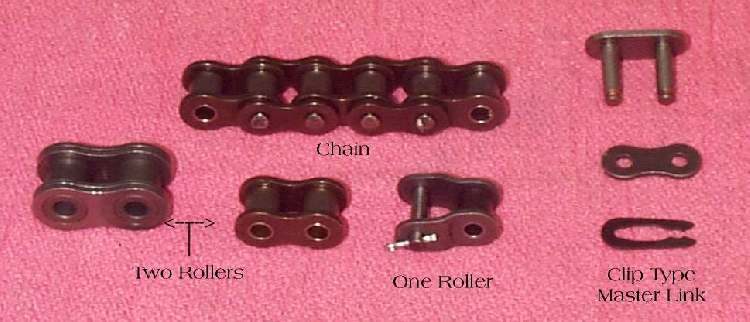
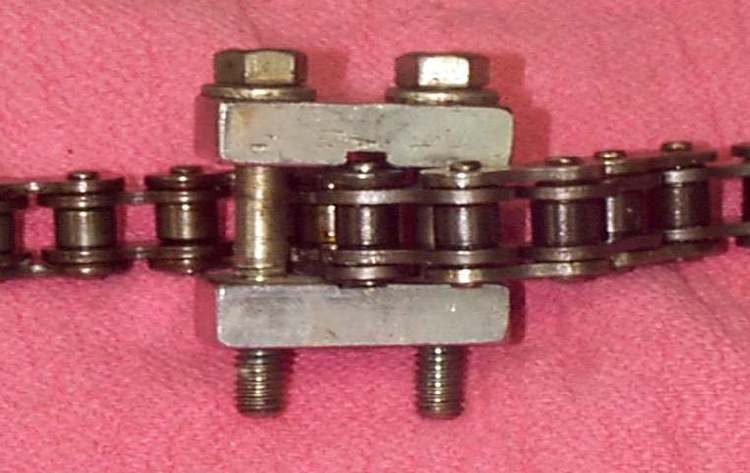
- Joining link: a clip link or a rivet link. Fit the clip with its closed end facing the direction the chain moves.
Fitting notes
- Rider job: Check and adjust chain slack and Clean and lubricate the chain.
- Check: Check the chain for wear. Replace: Replace the chain and sprockets.
- Keep fingers clear of the sprockets. Never turn the wheel by the chain with the engine running.
- Chain size is set by pitch and width. Chains of the same pitch but different strength (for example a standard and a heavy-duty type) can share a sprocket if the side clearance allows. Always confirm with your bike's manual.
- Lubricate the chain at every fuel stop. O-ring chains still need lube, and the lube must be safe for sealed chains.
- Fit the chain, front sprocket and rear sprocket as a set. A chain wears in its joints, which wears the sprockets.
Reference (K-Light 125)
| Item | Value | PDF page |
|---|---|---|
| Chain slack, lower run, bike upright | 20 to 40 mm | 61 |
| Chain fitted | 428HO-1, 134 links | 158 |
| Rear sprocket | 41 teeth | 158 |