
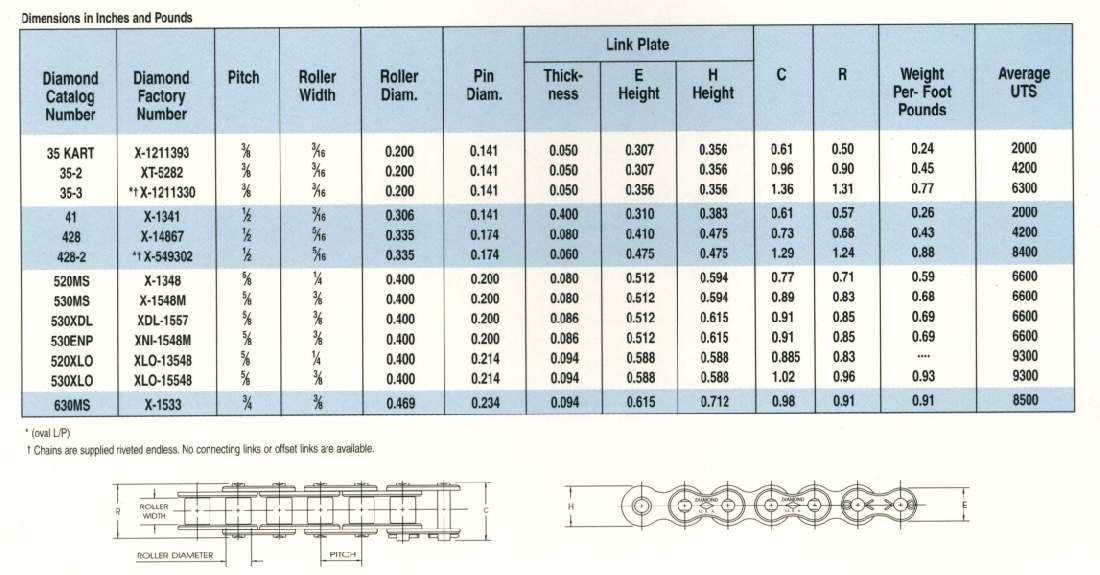
Chains are sold by a size code. Buying the wrong size can wear out a good sprocket or fail on the road. This page shows how to read the code and what can fit what.
Safety
- Never fit a chain that is narrower, weaker or a different pitch from the sprockets.
- If you are not sure, ask the parts counter to match the old chain, the front sprocket and the rear sprocket.
How the code works
- The numbers show the pitch: the distance from the centre of one roller to the centre of the next. Chain sizes such as 428, 520, 525 and 530 show the pitch first and the width after.
- An H after the number, such as 428H, means a heavy-duty version of the same pitch. It is a little wider and stronger.
- Chains of the same pitch fit the same sprocket if the sprocket is wide enough. For example, 520, 525 and 530 chains all fit a 520 sprocket, but a 530 sprocket takes only 530 chain.
- There are also unusual sizes made for one maker only. They can be hard to find.
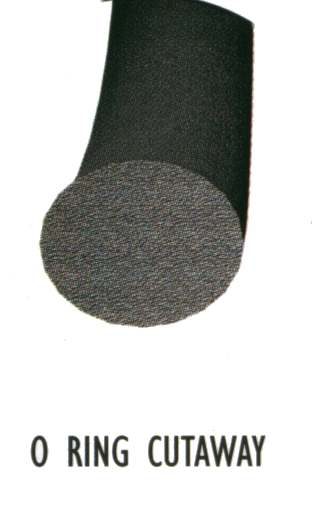
- Many chains have rubber seals (O-ring or X-ring) and need chain lube made for them.
Steps
- Look at the side plates of the old chain. The size and maker are stamped there.
- Count the links, or read the packet. The number of links must match, or the chain will not fit the bike.
- Read the tooth count on both sprockets. Fit the same counts unless you plan to change gearing.
- Note the joining method: clip, press-fit or rivet. Buy the same type.
- Write down chain size, link count and tooth counts before you go to buy.
Check your work
- The new chain has the same size code, link count and sealed or unsealed type as the old one.
- The sprockets are the right width for the chain.
If it did not fix the problem
- Unsure what to buy: Replace the chain and sprockets.
- Check wear on the old set: Check the chain for wear and Inspect sprockets.