
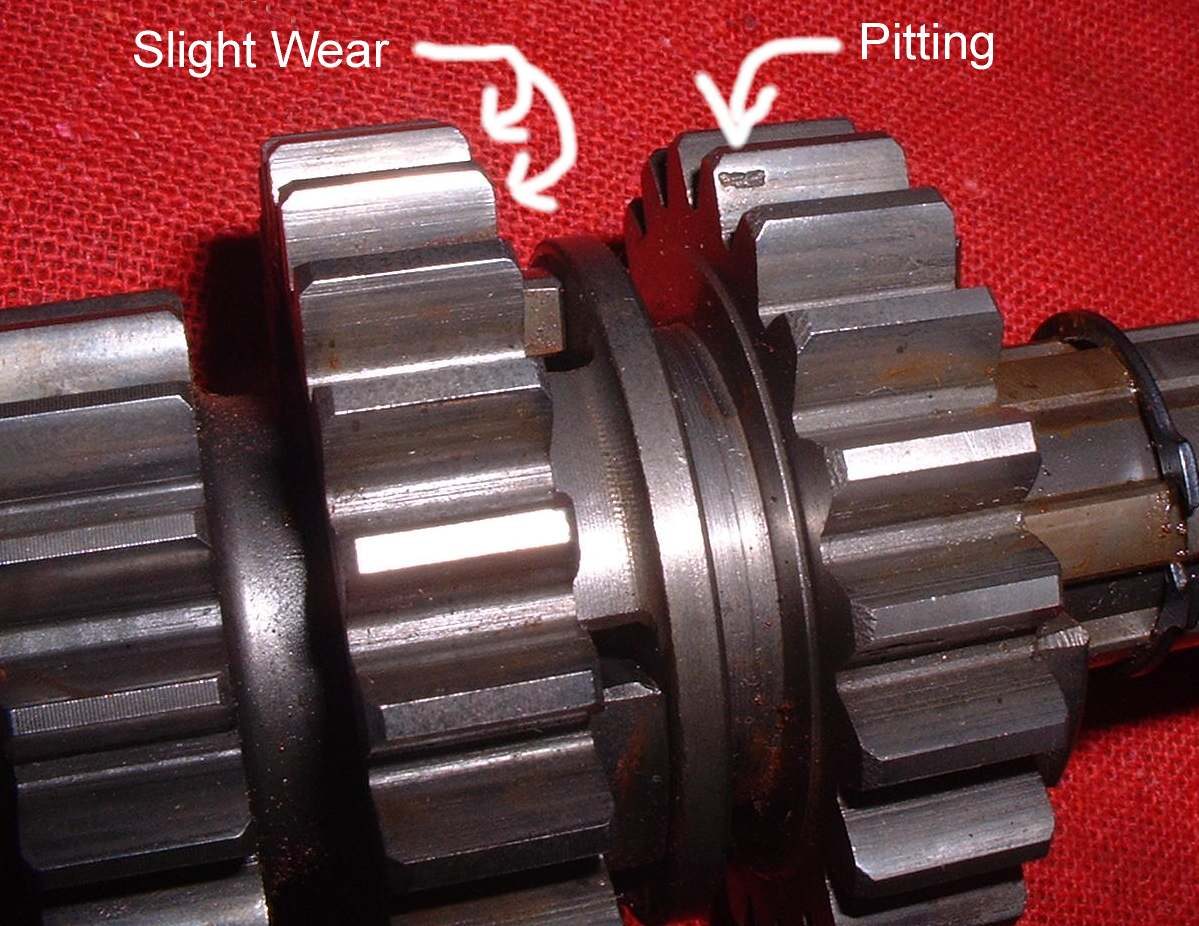
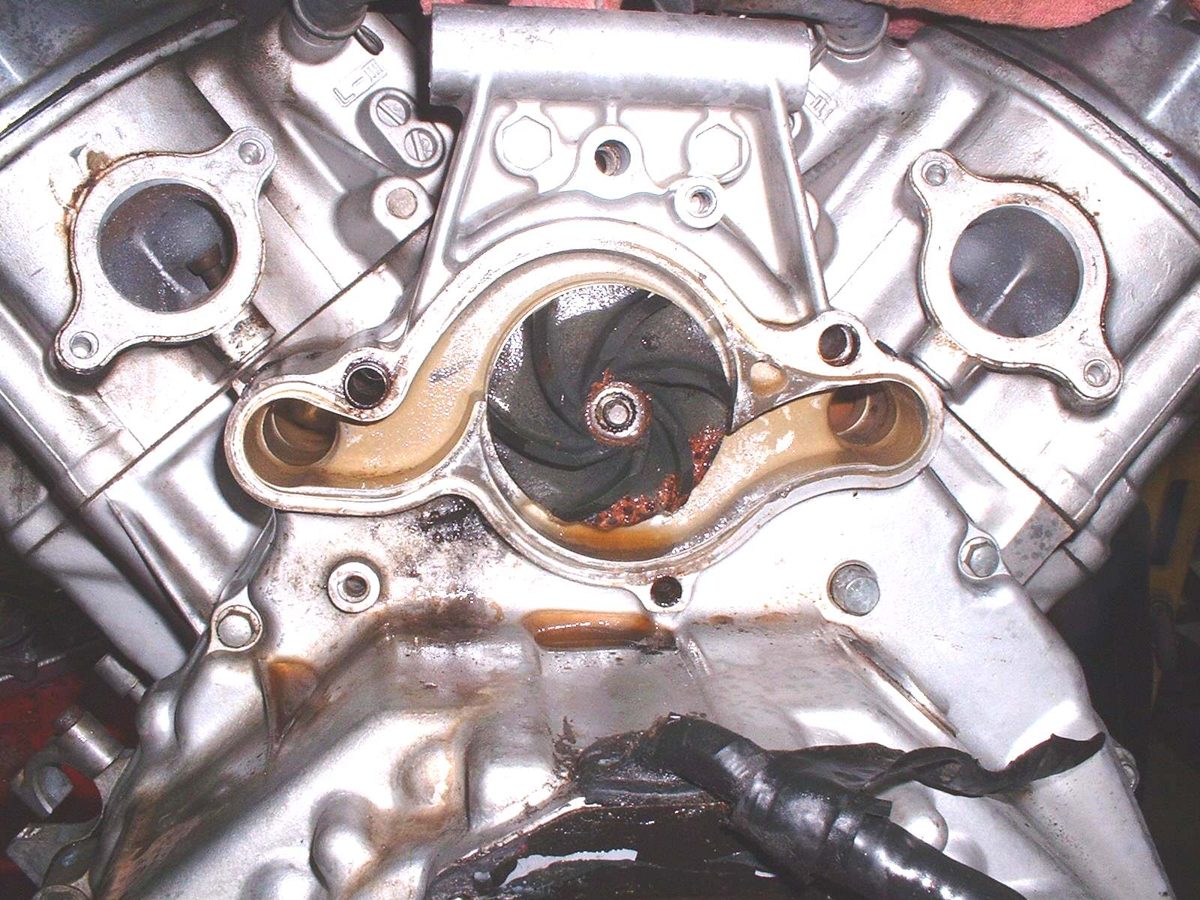
A whine is a steady high-pitched hum that rises and falls in pitch with speed. Inside a motorcycle engine it usually comes from gears: the primary drive between crankshaft and clutch, the gearbox, or the oil pump drive. It can also come from a water pump bearing, a fuel pump (fuel-injected bikes), or on scooters the drive belt and final gears. Most gear whine is a wear sign rather than an emergency, but a new whine that grows quickly, or comes with metal in the oil, needs attention.
Is it safe to ride?
Usually yes, gently, while you diagnose it. Stop if it becomes a grind or knock, or if the oil warning light comes on.
Quick checks first
- Does the whine follow engine speed (rpm) or road speed?
- Is it present in every gear, or only in one?
- Does it change when the clutch lever is pulled?
- Is the oil level and grade correct?
Diagnose it step by step
1Fuel-injected bike: with the key on and engine off, is there a whine that lasts only a few seconds?
- Yes: this is the fuel pump priming; normal. If it runs all the time or is very loud, go to Fuel pump whines loudly or runs all the time.
- No: go to step 2.
2Engine running, bike still in neutral. Is the whine there?
- No, only when moving: it follows road speed or gears. Go to step 5.
- Yes: go to step 3.
3Pull the clutch lever in and out. Does the whine change?
- Yes: primary drive gears or clutch. See Rattle or whir from the clutch that changes when the lever is pulled.
- No: go to step 4.
4Liquid-cooled engine: is the whine loudest at the water pump, or is there coolant at the pump weep hole?
- Yes: worn water pump bearing. See Find a coolant leak.
- No, or air-cooled: check the oil level with Check the engine oil level. Low oil makes gears and the oil pump noisy. If correct, ask for Assess bottom end and internal engine damage to check the oil pump drive and primary gears.
5Riding: does the whine appear only in one or two gears?
- Yes: worn gearbox gears or bearings. Go to Whining noise in one or more gears.
- In all gears, changing with road speed: chain, sprockets or wheel bearing. Scooter: drive belt or final gears, see Noise from the scooter drive case.
6. At the next oil change, look for metal with Inspect drained oil for clues. Chips or flakes mean gear or bearing damage: go to Metal particles or flakes in the oil.
Causes, most likely first
| Cause | How to confirm | Fix |
|---|---|---|
| Fuel pump priming (normal) | Only at key on, a few seconds | None needed |
| Low or worn-out oil | Dipstick, oil age | Check the engine oil level |
| Gearbox gear or bearing wear | One gear only | Assess internal gearbox faults |
| Primary drive or clutch | Changes with clutch lever | Assess bottom end and internal engine damage |
| Water pump bearing | Weep hole wet, noise at pump | Find a coolant leak |